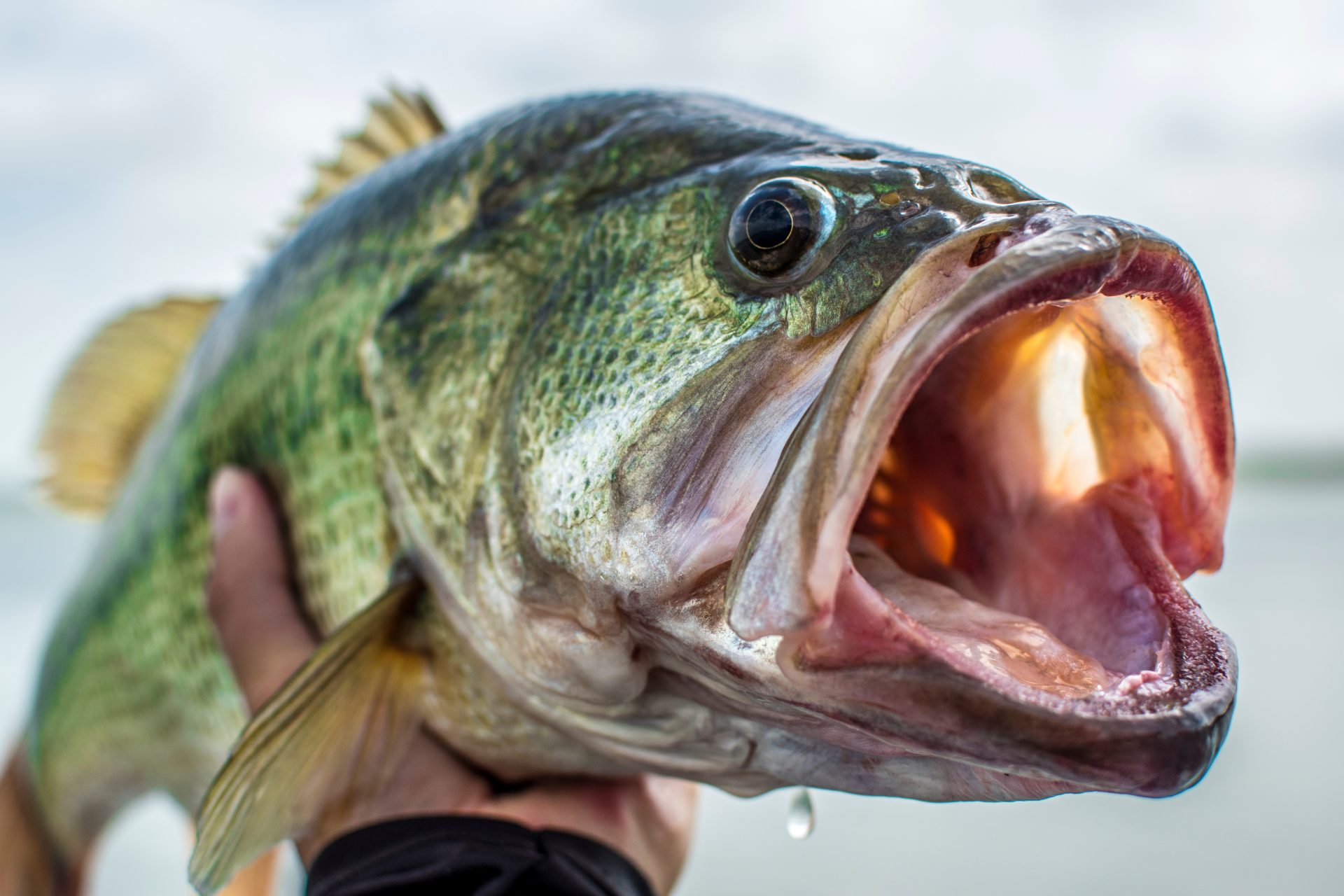
Bass fishing is one of the most popular recreational activities in the United States, and Kansas offers some of the best bass fishing opportunities in the country. With numerous lakes, rivers, and reservoirs, Kansas is a haven for anglers looking to catch a variety of bass species. In this article, we will explore the top locations for bass fishing in Kansas, the different bass species found in the state, the best times to fish for bass, and the equipment and techniques used by successful Kansas bass anglers.
Top Locations for Bass Fishing in Kansas
- Milford Reservoir Milford Reservoir is one of the most popular bass fishing locations in Kansas. Located in the Flint Hills of northeastern Kansas, Milford Reservoir offers a variety of fishing opportunities for anglers of all skill levels. The reservoir covers over 16,000 acres and has an abundance of largemouth, smallmouth, and spotted bass. Milford Reservoir is also home to a variety of other game fish species, including crappie, walleye, and catfish.
- Melvern Reservoir Located in eastern Kansas, Melvern Reservoir is another excellent location for bass fishing. The reservoir covers over 6,900 acres and has an abundance of largemouth and smallmouth bass. Melvern Reservoir also offers a variety of other game fish species, including crappie, walleye, and catfish.
- Clinton Lake Clinton Lake is a popular bass fishing location in northeastern Kansas. The lake covers over 7,000 acres and has an abundance of largemouth and smallmouth bass. Clinton Lake is also home to a variety of other game fish species, including crappie, walleye, and catfish.
- Perry Reservoir Located in northeastern Kansas, Perry Reservoir is another excellent location for bass fishing. The reservoir covers over 11,000 acres and has an abundance of largemouth and smallmouth bass. Perry Reservoir is also home to a variety of other game fish species, including crappie, walleye, and catfish.
- Tuttle Creek Reservoir Tuttle Creek Reservoir is a popular bass fishing location in northeastern Kansas. The reservoir covers over 12,500 acres and has an abundance of largemouth and smallmouth bass. Tuttle Creek Reservoir is also home to a variety of other game fish species, including crappie, walleye, and catfish.
- El Dorado Lake Located in southern Kansas, El Dorado Lake is another excellent location for bass fishing. The lake covers over 8,000 acres and has an abundance of largemouth and smallmouth bass. El Dorado Lake is also home to a variety of other game fish species, including crappie, walleye, and catfish.
- Hillsdale Lake Hillsdale Lake is a popular bass fishing location in eastern Kansas. The lake covers over 4,500 acres and has an abundance of largemouth and smallmouth bass. Hillsdale Lake is also home to a variety of other game fish species, including crappie, walleye, and catfish.
Bass Species Found in Kansas
Largemouth Bass – Largemouth bass are the most commonly found bass species in Kansas. They are typically found in warmer waters and can be caught using a variety of techniques, including topwater lures, plastic worms, and crankbaits. Largemouth bass in Kansas can grow up to 10 pounds, making them a popular target for anglers.
Smallmouth Bass – Smallmouth bass are also found in Kansas, although they are not as common as largemouth bass. Smallmouth bass prefer cooler waters and are typically found in rivers and streams. They can be caught using a variety of techniques, including jigs, spinnerbaits, and live bait such as minnows or crayfish. Smallmouth bass in Kansas can grow up to 6 pounds, making them a challenging but rewarding catch for anglers.
Spotted Bass – Spotted bass are the least commonly found bass species in Kansas. They are typically found in warmer waters and can be caught using techniques similar to those used for largemouth bass. Spotted bass in Kansas can grow up to 5 pounds, making them a fun and exciting catch for anglers.
Best Times to Fish for Bass in Kansas
The best times to fish for bass in Kansas are during the spring and fall. During the spring, bass are typically spawning and can be found in shallower waters. This makes them easier to target with lures and bait. In the fall, bass are feeding heavily in preparation for winter and can be caught using a variety of techniques.
During the summer, bass can be more difficult to catch as they tend to move to deeper waters to avoid the heat. However, early morning and late afternoon can still be good times to target bass during the summer.
Equipment and Techniques for Bass Fishing in Kansas
Rods and Reels – When it comes to bass fishing in Kansas, anglers should choose a medium to heavy-action spinning or baitcasting rod and reel. The rod should be sensitive enough to feel even the slightest bites, but also strong enough to handle the fight of a large bass.
Lures – Lures are an important part of any bass angler’s arsenal. In Kansas, popular lures for bass fishing include plastic worms, jigs, spinnerbaits, crankbaits, and topwater lures. Plastic worms and jigs are popular choices for fishing in deeper waters, while spinnerbaits and crankbaits are effective for covering a lot of water quickly. Topwater lures are ideal for fishing in shallower waters and can be particularly effective during the early morning and late afternoon.
Live Bait – Live bait can also be effective for catching bass in Kansas. Popular live baits include minnows, crayfish, and worms. When using live bait, anglers should use a slip bobber rig or a Carolina rig to keep the bait at the desired depth.
Techniques – The key to successful bass fishing in Kansas is to vary your techniques until you find what works best on a given day. Some effective techniques for bass fishing in Kansas include slow-rolling a spinnerbait, jigging a plastic worm, and using a stop-and-go retrieve with a crankbait. Anglers should also pay attention to the water temperature and the location of the fish to help determine which technique will be most effective.
Conclusion
Bass fishing in Kansas is a popular and rewarding activity for anglers of all skill levels. With numerous lakes, rivers, and reservoirs, Kansas offers an abundance of largemouth, smallmouth, and spotted bass, as well as other game fish species. The best times to fish for bass in Kansas are during the spring and fall, and anglers should choose medium to heavy-action spinning or baitcasting rods and reels, as well as a variety of lures and live bait to increase their chances of success. With the right equipment and techniques, anglers can enjoy a fun and successful day of bass fishing in the beautiful state of Kansas.
Views: 202